
Someone always grabs the check. A round of drinks, the Airbnb deposit, the group cab home. One person taps their card, everyone says "I'll send you my bit," and then a slow, quiet game begins where nobody quite remembers who owes what. Two weeks later you are still down forty quid and too polite to bring it up.
That awkwardness is not really about money. It is about tracking. The splitting part is simple arithmetic. The hard part is remembering the details, agreeing on what counts as fair, and getting paid back without turning yourself into the group accountant. So let us take those one at a time.
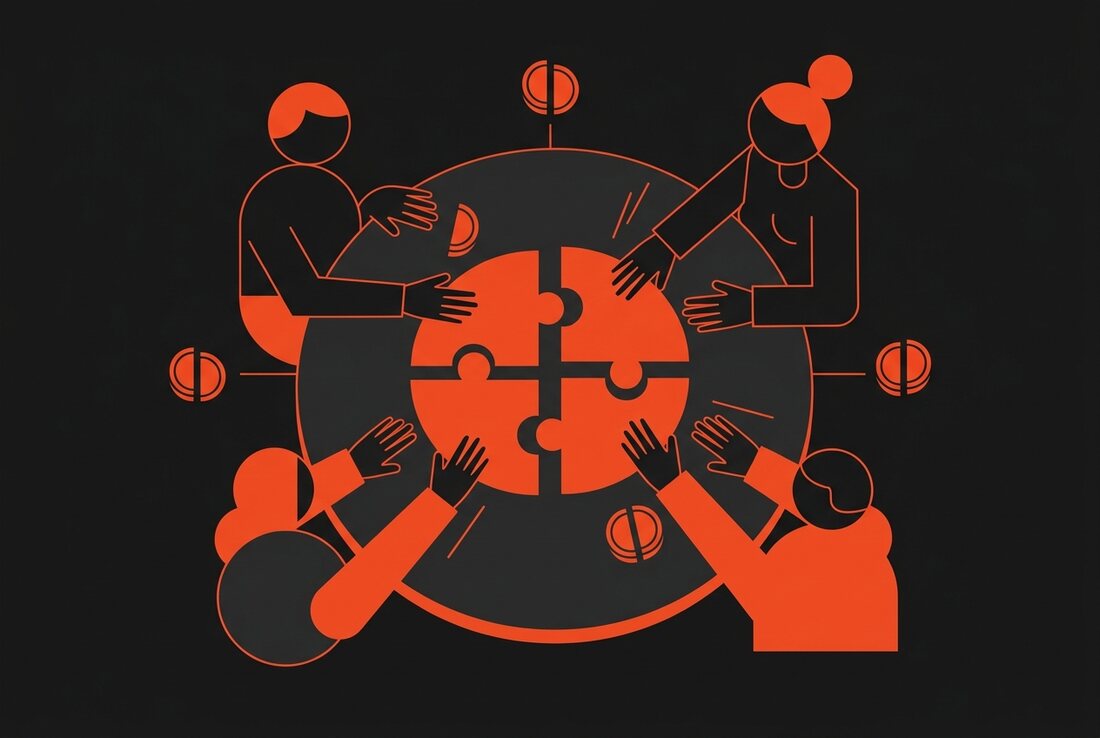
First, pick how you're actually splitting it
Most groups default to splitting everything evenly, which is fine until it isn't. If one person had the steak and two cocktails and you had a salad and tap water, an even split quietly makes you subsidise their night. Nobody wants to be the one who itemises a dinner, but you also should not eat the cost every time. There are really three ways to do it, and picking the right one up front saves the argument later.
- Even split. Total divided by heads. Best for things everyone genuinely shared equally, like a house cleaner, a group gift, or a pizza that got demolished collectively.
- By item. Everyone pays for what they actually ordered. Fairer for meals with wildly different tabs, though it takes a minute to sort out. Worth it when the gap is big.
- By share. Split proportionally when people used different amounts. Think a weekend rental where two people took the big room, or a utility bill in a flat where one person works from home all week.
The trick is to say which one you're using before the card comes out, not after. "Shall we just split it evenly?" takes two seconds at the table and heads off the resentment that builds when someone feels overcharged and says nothing.
The etiquette nobody spells out
A few unwritten rules keep money from souring a friendship. Round up, not down, when you send your share, because being a pound short every time reads as stingy even when it isn't. Settle within a day or two while everyone still remembers the night, since debts get fuzzy fast. And if you covered a big group cost, it is completely fine to send a friendly "hey, that came to twelve each" message. You are not being pushy. You are doing everyone the favour of closing the loop.
The person who paid should never have to chase. If you owe someone, assume the ball is in your court, and send it before they have to ask.
The other quiet rule: keep a rough tally yourself instead of relying on one friend to be the human spreadsheet. When everyone tracks their own share, the group stops leaning on a single person's memory, and that person stops slowly resenting the role they never asked for.
Cash, bank transfer, or an app?
Cash barely exists anymore, and hunting for an ATM to settle a tenner is nobody's idea of a good time. A plain bank transfer works and costs nothing, but you have to remember the amount, who it goes to, and what it was for, which is exactly the information that evaporates by the time you get home. That memory gap is the real problem, and it is why so many people reach for an app.
A splitting app keeps the running ledger for you. You log the expense once, it works out the balances, and everyone can see where things stand. Splitwise is the app most people know for this, and it is genuinely good at the narrow job of tracking who owes whom across a group.
Where Bud fits in
Bud does bill splitting too, but it starts from a different place. It is a budgeting app first, so it tracks all of your spending, not just the bits you share. When you split a dinner with friends, that expense lands in the same place as your solo coffee and your rent, which means you can actually see whether the night out fit your month or blew a hole in it.
Logging is quick. A single expense takes about seven seconds, and you can add one straight from the iPhone Action Button without even opening the app first. Buddy, the built-in assistant, sorts each expense into a category and can answer plain-language questions about your spending, so you are not maintaining a spreadsheet on the side. When something is shared, you split it right there, and your part of the bill becomes part of the bigger picture instead of living in a separate silo you forget to check.
- One place for shared and solo spending. The bill you split and the lunch you bought alone sit in the same running total.
- Private by default. No bank logins, and your data stays on your iPhone, with iCloud sync only if you want it.
- Already on Splitwise? Bud can import from it, so the history you built does not get stranded.
Honest caveat: Bud is iPhone only. If your group is split across iPhones and Android, a cross-platform tool everyone can open is the more practical pick, and that is a fair reason to use one.
A simple routine that keeps things clean
You do not need a system, just a habit. Log the expense the moment it happens, while you still know the number. Say out loud how you're splitting it before anyone pays. Settle within a couple of days. And if you are the one who fronted the cost, send the amount to the group so nobody has to guess. Do that and the money stops being a thing you avoid talking about.
Splitting bills with friends should feel like nothing. When it works, you barely notice it happened, and the only thing anyone remembers is the dinner. That is the whole goal. Get the tracking right and the awkward part just disappears.
Bud is free to download on the App Store, with a Bud Plus upgrade at $1.99 a month or $15.99 a year if you want the extras. Splitting is part of it, not a bolt-on.
Track your money in seconds, not spreadsheets.
Bud is free to download, built for iPhone, and never asks for a bank login.
